
Harri was diagnosed with multiple serious heart defects when he was ten weeks old, despite a healthy pregnancy and no concerns raised at routine scans. Harri was born via planned c‑section and initially appeared well, but a series of subtle signs in the weeks that followed led to a diagnosis that changed the family’s lives overnight. His mum, Bethan, shares their story:
Our little boy, Harri was diagnosed with multiple congenital heart defects at ten weeks old, completely out of the blue.
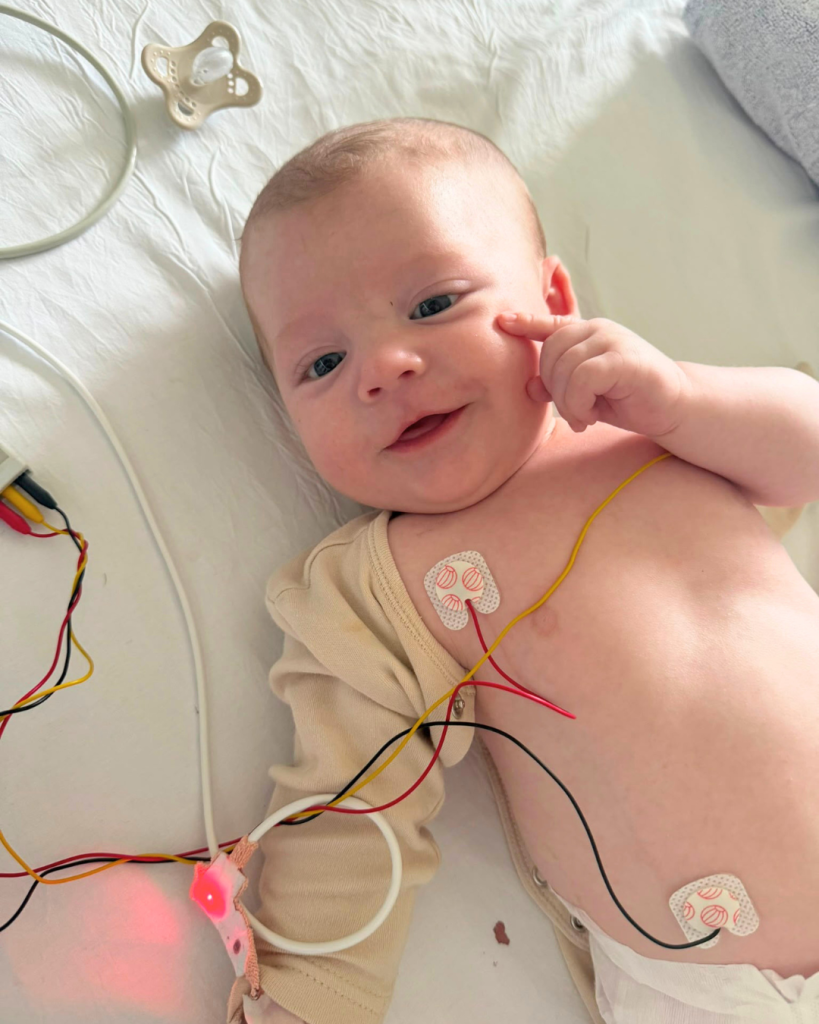
All of my pregnancy scans were fine, no red flags were picked up and Harri was born via a planned c-section.
Shortly after birth, Harri developed an infection and was under special care. We remained in hospital for six days as both he and I needed extra monitoring for complications.
During this time, the medical team found it very difficult to get any blood from Harri’s heels during his daily blood tests. Looking back, this may well have been a sign of what was to come.
At five weeks old, Harri developed awful diarrhoea and he wasn’t keeping bottles down, so I took him to the GP. The GP picked up a heart murmur and weak femoral pulses, so sent us to our local hospital to be checked over.
The local hospital said it was just a murmur and would likely settle down, but if it hadn’t gone in a few weeks to come back. Unfortunately, when I revisited the GP they could still hear the murmur and said Harri’s femoral pulses were extremely difficult to detect.
They referred us to cardiology and we waited three weeks for an appointment. During this time Harri was generally well, though we flagged some concerns like excessive sweating, difficulty feeding and noisy breathing. Because he was generally content and gaining weight, it wasn’t taken any further.
At his cardiology appointment, our local team found a narrowing in Harri’s aorta. They referred us to Cardiff Children’s Hospital, where we were seen two days later.
It was at this appointment, our lives changed. The cardiologist told us that Harri had coarction of the aorta, bicuspid aortic valve and left ventricle hypertrophy.
The room filled with people and we were told Harri’s condition was critical. He would need urgent heart surgery to widen the narrowing in his aorta.
We were blindsided. We thought we’d be home in time for nursery pick up with our daughter that day – all along we’d been reassured how common heart murmurs were and how unlikely it was to be anything significant given how well Harri was presenting.
What started out as an innocent murmur – which would have gone undetected had we not taken him to the GP – now led to Harri being sent to Bristol Children’s Hospital for urgent surgery.
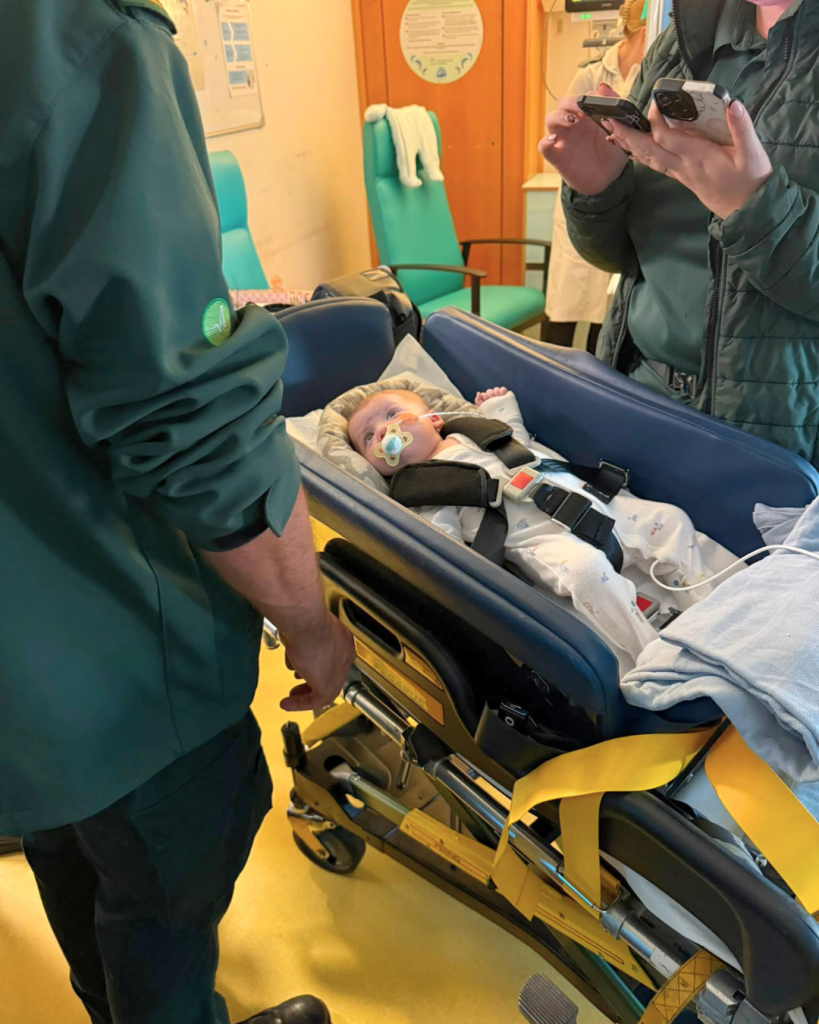
I don’t think we took in any of the information given to us in those first 48 hours; we were on autopilot.
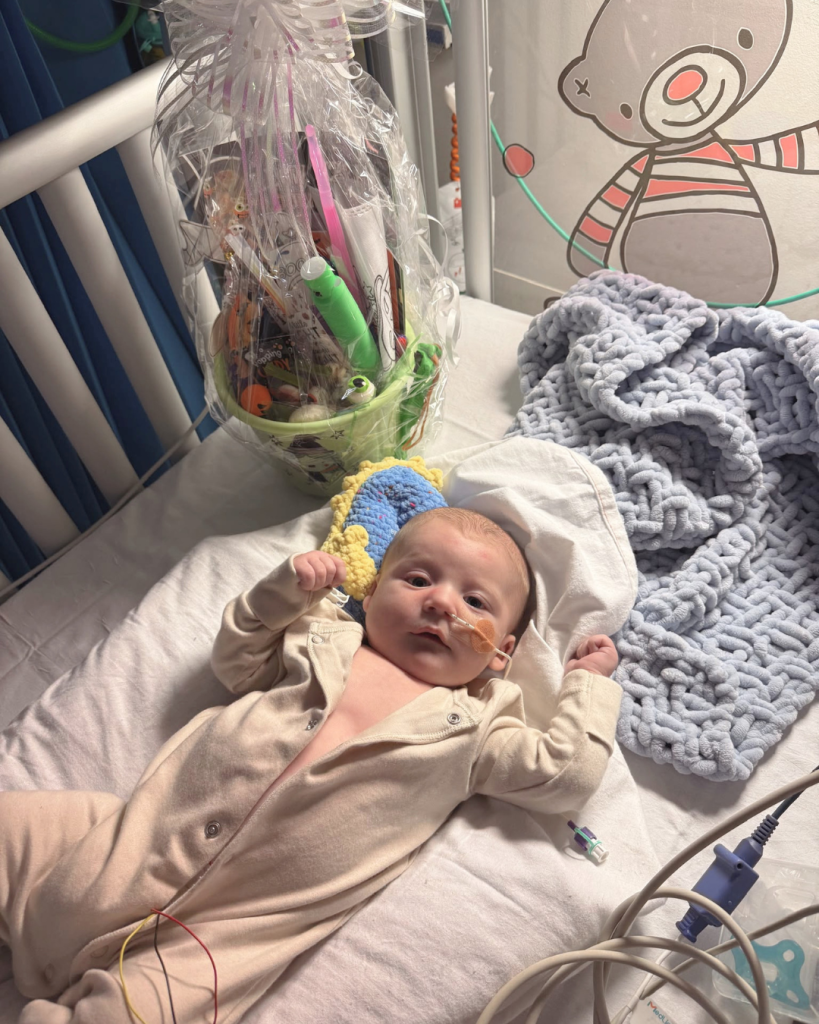
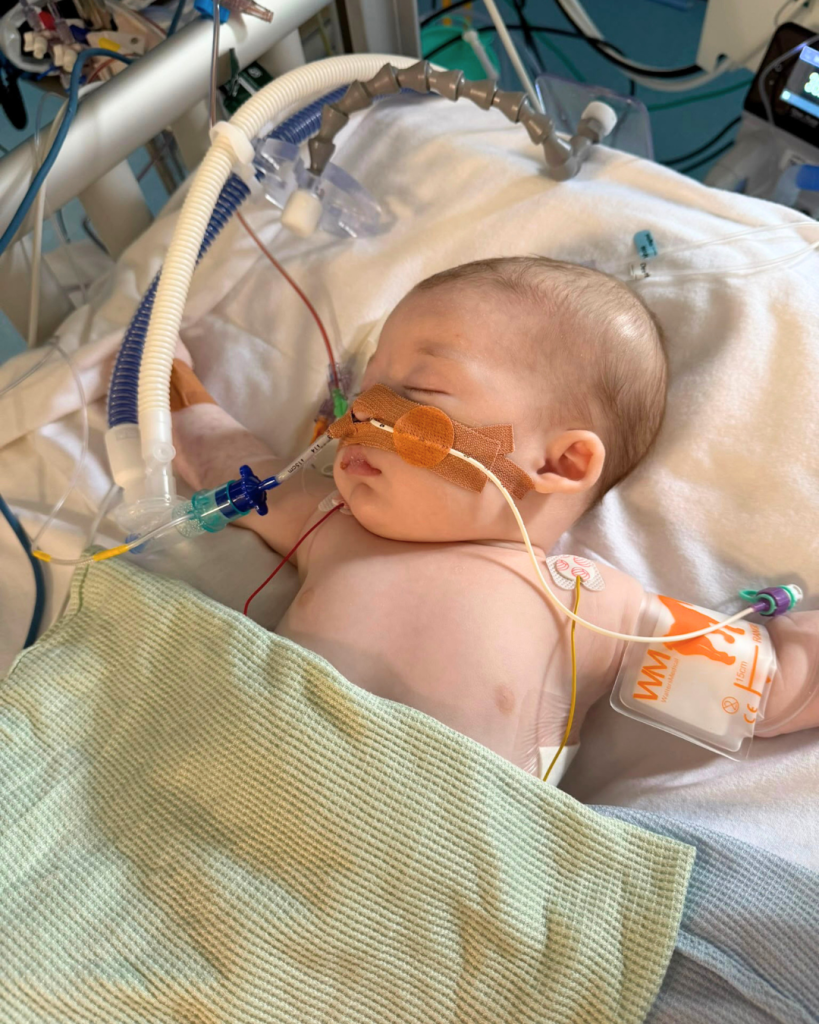
Harri underwent surgery, which was a success. He spent the week after in PICU, where we experienced some extremely difficult, traumatic moments with our precious baby boy. He fought hard, faced many complications but thankfully made progress back to Dolphin Ward and later Pelican Ward at Cardiff.
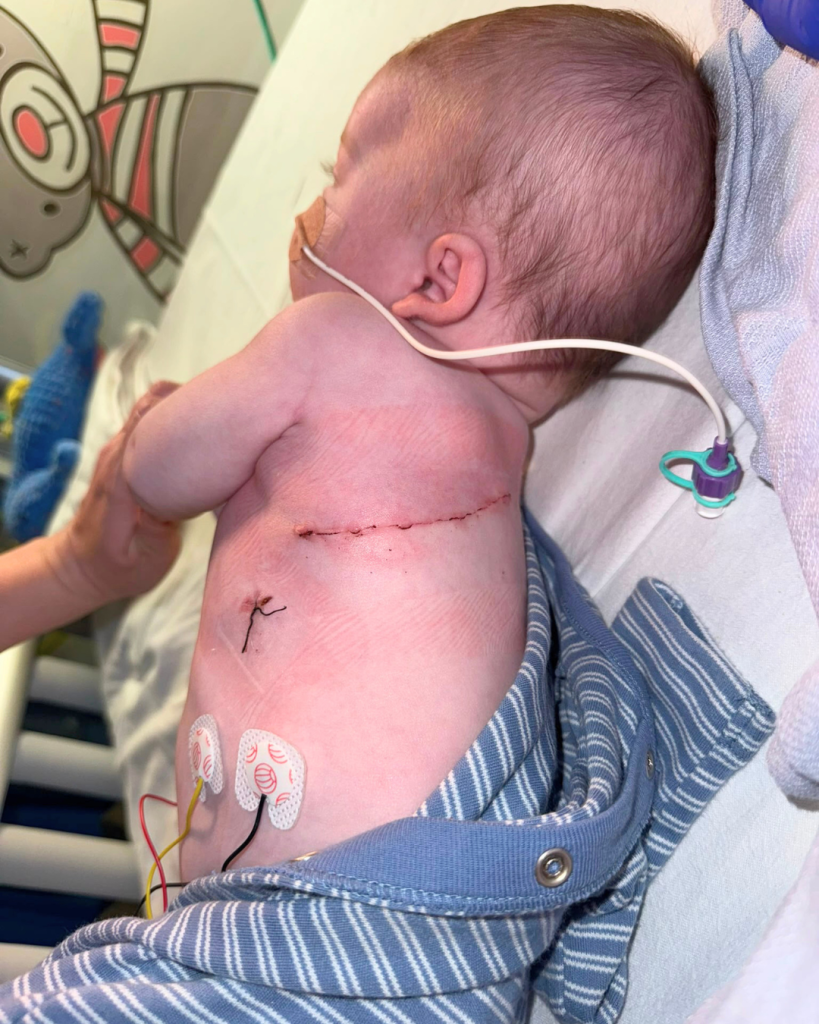
After four weeks in hospital we came home to our daughter, Harri’s sister, and began adjusting to our new normal.
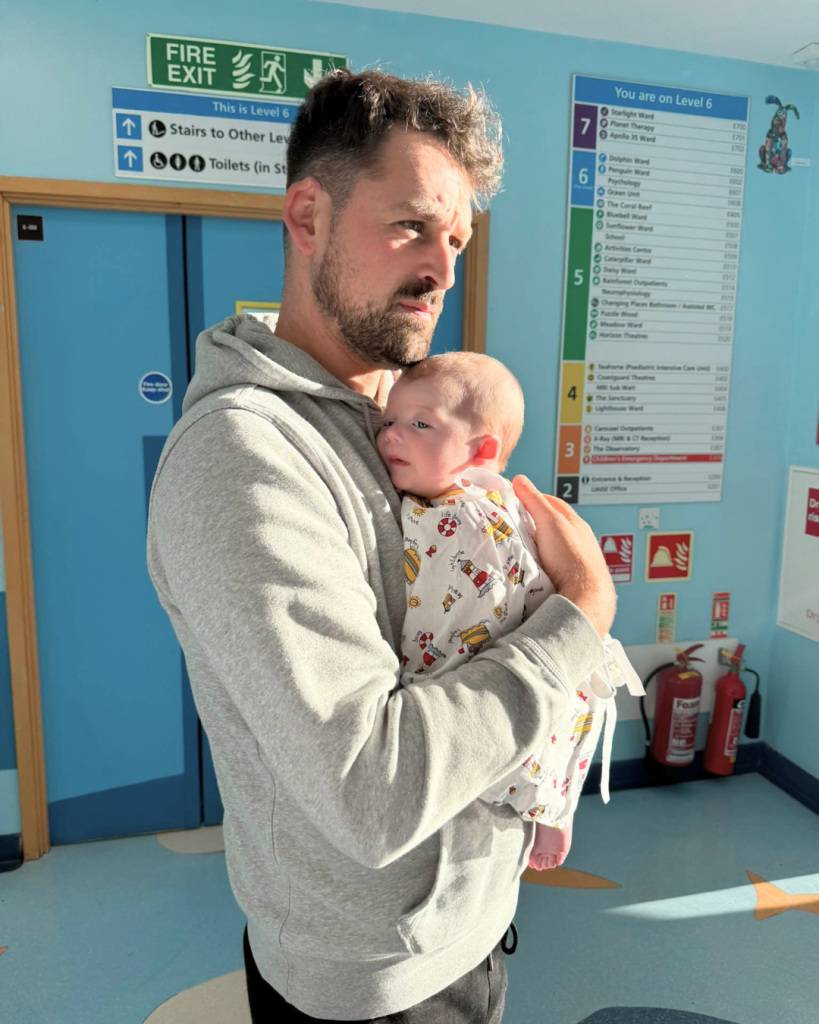
I saw a sign for Tiny Tickers in the parent room on Dolphin Ward. I looked them up on Instagram and found an abundance of information. Whilst I wasn’t in any state to read it during our hospital stay, I spent many nights back home scrolling through their resources and educating myself. If heart defects are picked up during pregnancy, the survival rate is significantly higher.
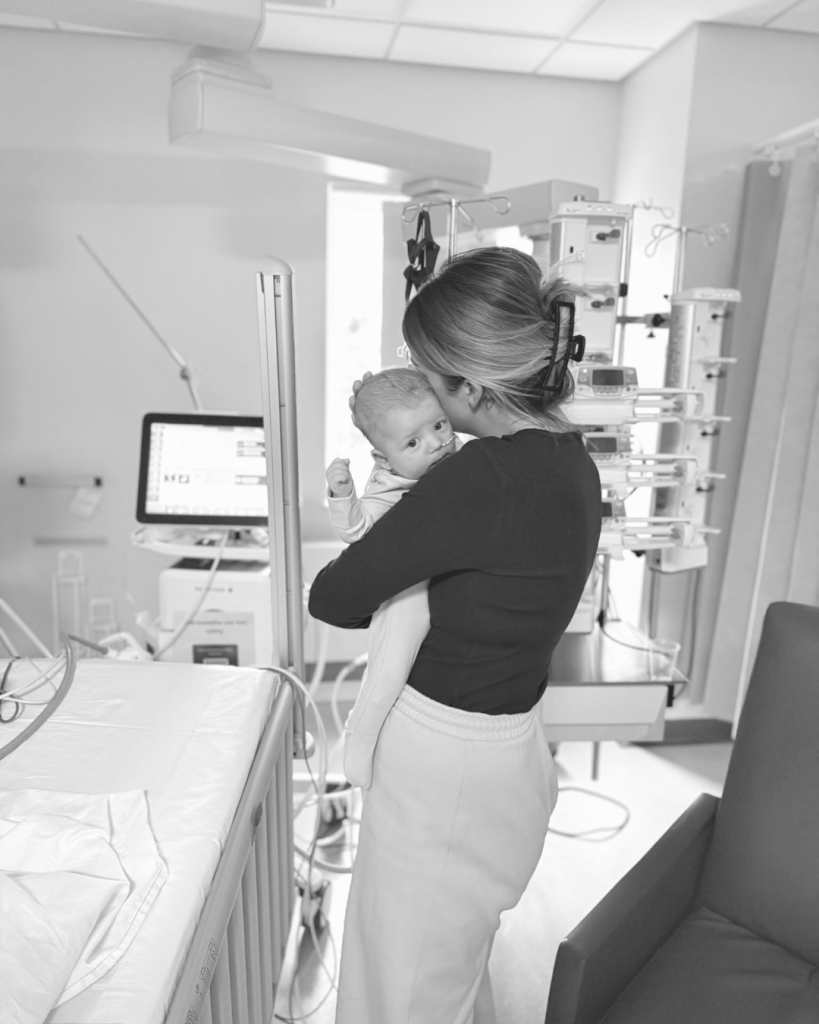
We were told Harri couldn’t have waited much longer – his heart was already working overtime to function at just ten weeks old. The ‘what ifs’ are not even worth considering. But what I do know is that, if this was picked up earlier, if there was any chance it could have been identified sooner, we would have been better prepared as his parents, and as a family, to face the journey ahead. The shock we faced most definitely added to the trauma of an already difficult time.
We don’t know what the future holds, but we do know that Harri is under constant monitoring by a team of incredible specialists. We have been fortunate enough to receive support from a variety of professionals, as well as the amazing team at Tiny Tickers.
For us as parents, who found out postnatally, we believe the gold standard should be that every sonographer can, and does, scan for the five views of the fetal heart in order to give every baby the best chance.
Read more about different types of congenital heart defects here.

You must be logged in to post a comment.